
How to Transfer a Solar Lease When You Sell Your Home
Have your document ready?
Get it notarized online in about 10 minutes — $25, 24/7, no account needed.
Notarize now — $25Selling a home with solar
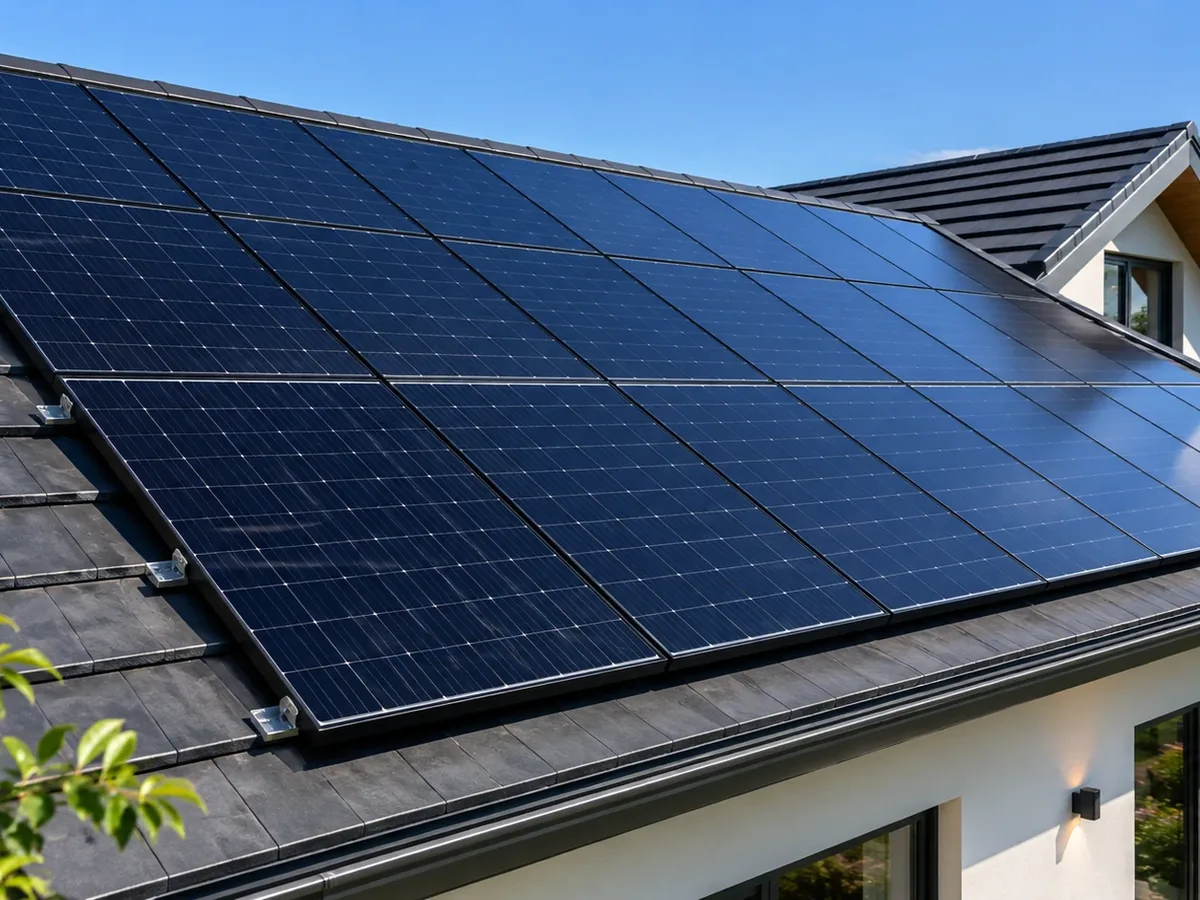
If the solar panels on your roof are leased or under a power purchase agreement (PPA), you don't own them. A solar company does, and your contract with it doesn't end just because you sell the house. Before closing, the agreement has to go somewhere: most often to your buyer, through a solar lease transfer.
This guide walks through your options, the transfer steps in order, and where a notary fits in. Start early, because a solar lease transfer that runs late can hold up the whole closing.
First, Check What Kind of Solar You Have
Not every home with panels has a lease to transfer. Your paperwork will say which of these you have:
- Owned outright. You paid cash. The panels are part of the house and simply convey with it. There's nothing to transfer.
- Solar loan. You own the panels but owe a lender. That's a loan payoff or assumption question for your lender and title company, not a lease transfer.
- Solar lease. You pay a fixed monthly amount to use equipment the solar company owns.
- Power purchase agreement (PPA). You pay the solar company for the electricity the system produces, usually per kilowatt-hour.
Leases and PPAs are both third-party-owned systems, and both have to be dealt with when you sell. The rest of this guide is about them.
Your Options for a Leased System
Buyer takes over:
- Transfer the lease or PPA
Buyer takes over, paid off:
- Prepay the remaining payments
You settle it:
- Buy out the system
Panels leave:
- Remove or relocate
Which options you actually have depends on your contract and your solar company. Read the "transfer," "assignment" or "sale of home" section of your agreement before you list.
Quick picks: which option fits?
- Your buyer wants the solar savings Transfer the agreement to them
- Your buyer doesn't want a monthly solar bill Prepay, or buy out the system
- Your buyer can't qualify with the solar company Buy out the system before closing
- You're moving and want to keep the panels Ask about relocation, but expect cost and roof work
Transfer the Agreement to Your Buyer
In a solar lease transfer, your buyer takes over your lease or PPA for the rest of its term, on the same terms. The buyer usually applies with the solar company, which runs a credit check. Once approved, you and the buyer sign the company's transfer documents, often called an assignment and assumption agreement.
This is the route most sellers take, and it keeps the system producing for the next owner. Its weak spot is time: the buyer has to qualify, and the paperwork has to come back before closing.
Prepay the Remaining Payments
Some solar leases let you, or your buyer, pay off the remaining lease payments in one amount. The buyer still takes over the agreement, but without a monthly solar bill. Ask your solar company whether your contract allows it and for a written prepayment quote.
Buy Out the System
Most agreements include a buyout option. You pay the solar company a buyout price, the system becomes yours, and it conveys with the house like owned panels would. The price depends on your contract and how many years are left, so request a written quote early. Some sellers fold the cost into the sale price.
Remove or Relocate the Panels
A few solar companies will move a system to your new home, and some contracts allow removal. Both usually mean fees, roof repair where the mounts were, and the solar company's permission. For most sellers this is the last resort.
How to Transfer a Solar Lease, Step by Step
1. Call your solar company before you list. Ask for its transfer requirements, how long transfers take, any transfer fees, and a written buyout quote so you know your fallback. Get the name of the person or team that handles home sales.
2. Disclose the agreement up front. Tell your agent, and include the agreement and recent bills in your disclosures. Buyers, their lenders and appraisers will all ask about it. Leased panels are generally not counted as part of the home's value, because you don't own them.
3. Have the buyer apply. Once you have an accepted offer, the buyer applies with the solar company. Build the approval into your contract timeline, the same way you would a loan contingency.
4. Check with the title company. Solar companies often record a notice of the agreement, such as a UCC fixture filing, in the county land records. The title company will ask how it's being handled. Usually the solar company updates or releases it as part of the transfer, but confirm that in writing.
5. Sign the transfer documents. You and the buyer each sign. Many solar companies handle this by e-signature. Some require notarized signatures on the transfer agreement, an affidavit, or a power of attorney if one party can't sign. Use exactly the forms they send.
6. Get written confirmation before closing. Ask for a letter or email confirming the transfer is approved and effective on the closing date. Then hand the buyer the agreement, the warranty paperwork and the login for the monitoring app.
Transfer form needs a notary?
Notarize it online, with both parties on their own devices.
Upload the form your solar company sent. You and your buyer each verify your ID and join one video session from your own phones or laptops, wherever you are, 24/7.
How Long Does a Solar Lease Transfer Take?
It varies by company. Many transfers take a few weeks from the buyer's application to final approval, and back-and-forth over missing paperwork is the usual cause of delays. Start the conversation with your solar company when you list, not when you're under contract, and keep a buyout quote in hand in case the buyer doesn't qualify.
Common Problems and How to Avoid Them
The buyer doesn't qualify. Ask about a co-applicant, a prepayment, or a buyout. Knowing the buyout price from day one keeps this from derailing closing.
The transfer isn't done by closing day. Ask the solar company for a firm timeline in writing, and tell your agent and title company early if it's slipping.
The buyer asks for a price reduction. Some buyers see a lease as a liability. Bring the system's production history and recent electric bills so they can see what the panels actually save.
Signatures are the holdup. If one party is out of town, or the solar company requires a notary, an online notarization lets everyone sign from wherever they are, without scheduling a mobile notary.
Are You a Solar Installer?
Lease transfers are only one of the signatures between a sale and a live system. Homeowner authorizations, owner affidavits and lien waivers can hold up permits and payments too. Notaron for solar installers covers how installers send those to homeowners and get the notarized PDF back the same day.
Notarize Your Solar Paperwork Online
At Notaron, a commissioned notary meets you over secure video, verifies everyone's identity and applies a tamper-evident digital seal, with no account and no appointment needed. As of November 2026, a session costs $25, plus $10 for each additional signer and $5 for each additional notarial act, so a seller and buyer can sign a transfer form in the same session.
Upload the transfer agreement your solar company sent, or start from a common form such as an affidavit or a power of attorney. Not sure your document can be notarized remotely? Check RON laws by state.
Frequently Asked Questions
Can you sell a house with leased solar panels?
Yes. Most sellers transfer the lease or power purchase agreement (PPA) to the buyer, who applies with the solar company and takes over the remaining term. If the buyer doesn't want it or can't qualify, the seller can usually prepay the remaining payments or buy out the system before closing.
How do I transfer a solar lease to a buyer?
Call your solar company before you list and ask for its transfer requirements. Disclose the agreement to buyers, have your buyer apply once you have an accepted offer, confirm with the title company how any recorded solar filing will be handled, then sign the solar company's transfer documents and get written confirmation before closing.
What happens if the buyer doesn't qualify to take over the solar lease?
Ask the solar company about a co-applicant or a prepayment of the remaining payments. If neither works, the usual fallback is buying out the system so it conveys with the house. Getting a written buyout quote before you list keeps this from delaying closing.
Does a solar lease transfer need to be notarized?
It depends on the solar company. Many handle transfers by e-signature with no notary. Some require notarized signatures on the transfer agreement, an affidavit, or a power of attorney. If yours does, the seller and buyer can notarize the forms online with Notaron, each from their own device.
How long does a solar lease transfer take?
It varies by solar company. Many transfers take a few weeks from the buyer's application to approval, and missing paperwork is the usual cause of delays. Start when you list, not when you go under contract.
Do leased solar panels add value to a home?
Leased panels are generally not counted as part of the home's value, because the solar company owns them. Buyers may still value the lower electric bills, so share the system's production history and recent bills.
Ready to get it notarized?
- Get a document notarized online — $25 About 10 minutes, 24/7, no account needed.
- What an online notary costs $25 per notarization, every add-on listed, nothing charged until it is done.
- Notarize a document online What can be notarized online, by document type.